
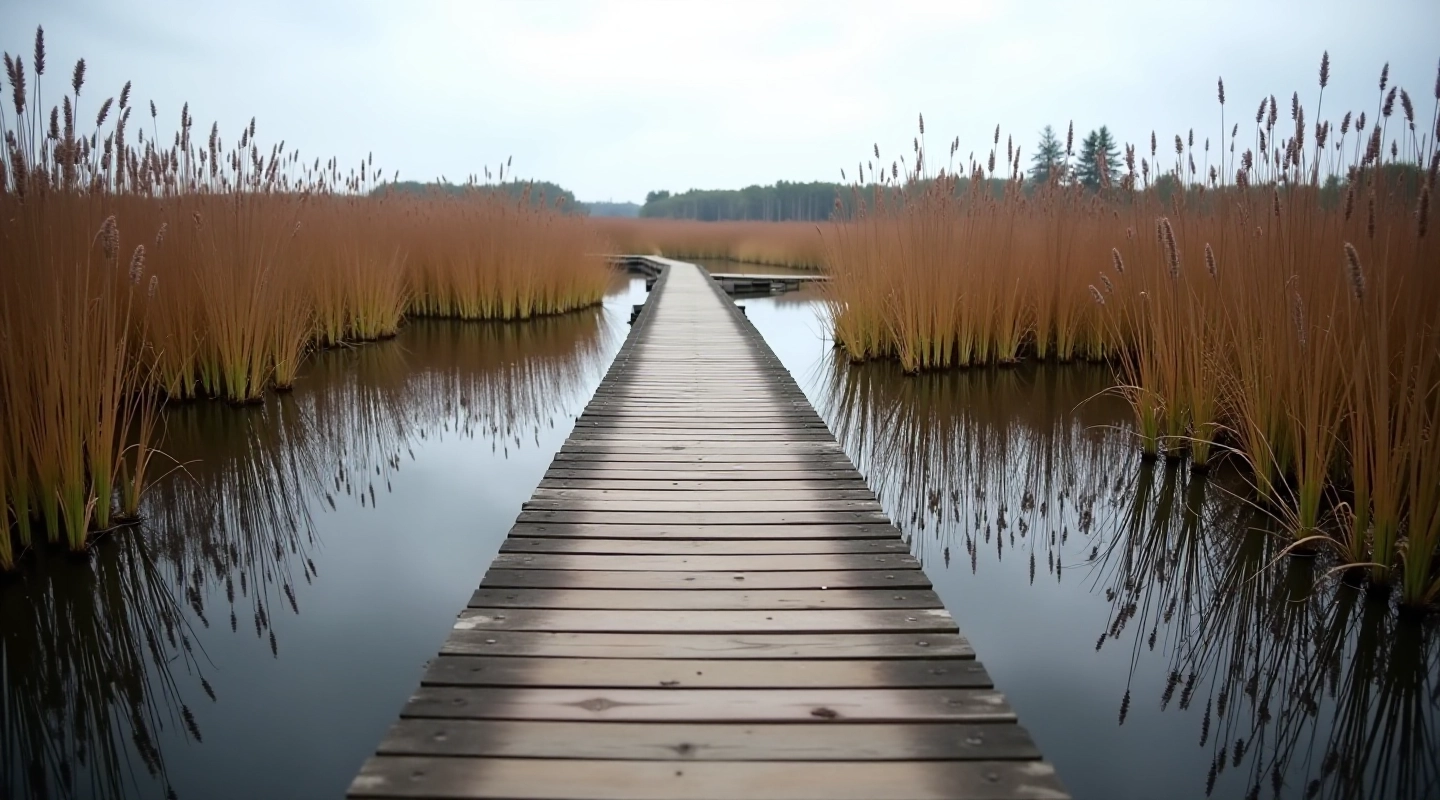
Getting Started With Bog Shoes: A Beginner's Guide
Learn how to choose the right bog shoes, fit them properly, and take your first steps into the wetlands with confidence.
Read MoreBeyond bog shoes — what to bring, what to wear, and how to stay safe in wetland environments. Don't head out unprepared.

Author
Editorial Team
Written by the veltrpine Editorial Team, focused on practical guidance for bog shoe walking and wildlife spotting in veltrpine National Park.
Bog shoes are just the starting point. The real key to a safe, enjoyable swamp walk is preparation — knowing what to wear, what to pack, and what conditions you're walking into. We've spent years guiding people through wetlands, and we've learned what actually works when you're on the ground.
This guide covers the gear you'll need, how to dress for wetland conditions, and practical safety measures that'll keep you comfortable and protected. It's not complicated stuff, but it makes a real difference.
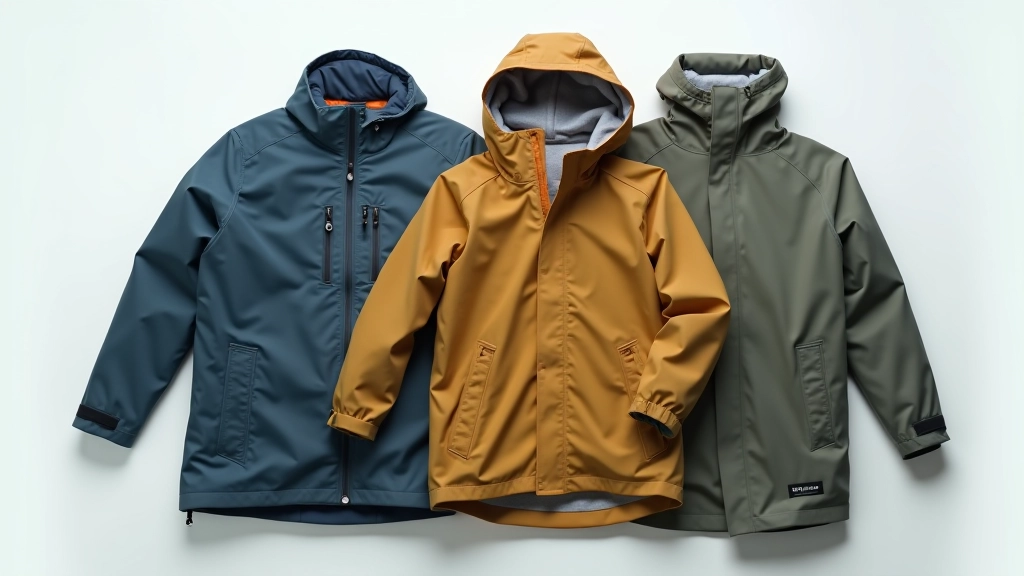
Key principle: Layers. You'll heat up when moving, cool down when standing still. Cotton doesn't work — it holds moisture and gets heavy. Merino wool and synthetic materials dry fast and regulate temperature.
Start with a base layer. Merino wool or synthetic thermal underwear keeps you warm even when damp. Most people skip this and regret it by hour two. The difference between comfortable and miserable often comes down to your base layer.
A good insulating mid-layer matters too. Fleece works, but avoid down jackets in wetlands — they're useless when wet. Synthetic insulation or wool keeps working when they get damp. Waterproof outer shell is non-negotiable. Wind-resistant at minimum, but full waterproofing is better. You'll splash water walking through vegetation, and if it rains, you'll be grateful.
For legs, waterproof trousers or gaiters over your base layers. Bog shoes alone aren't enough — water splashes up constantly. A good pair of waterproof gaiters (knee-height minimum) stops water getting inside your boots.
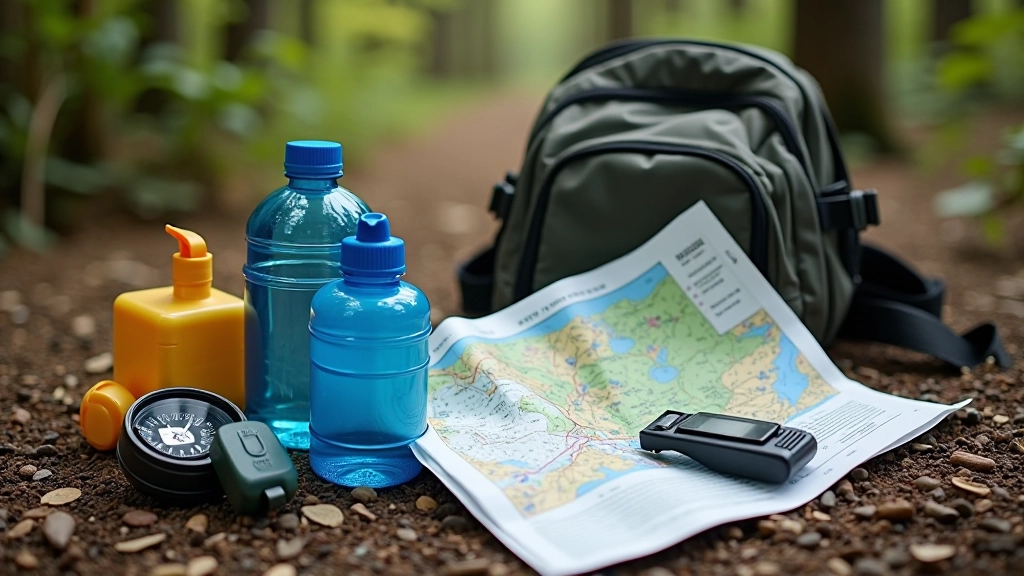
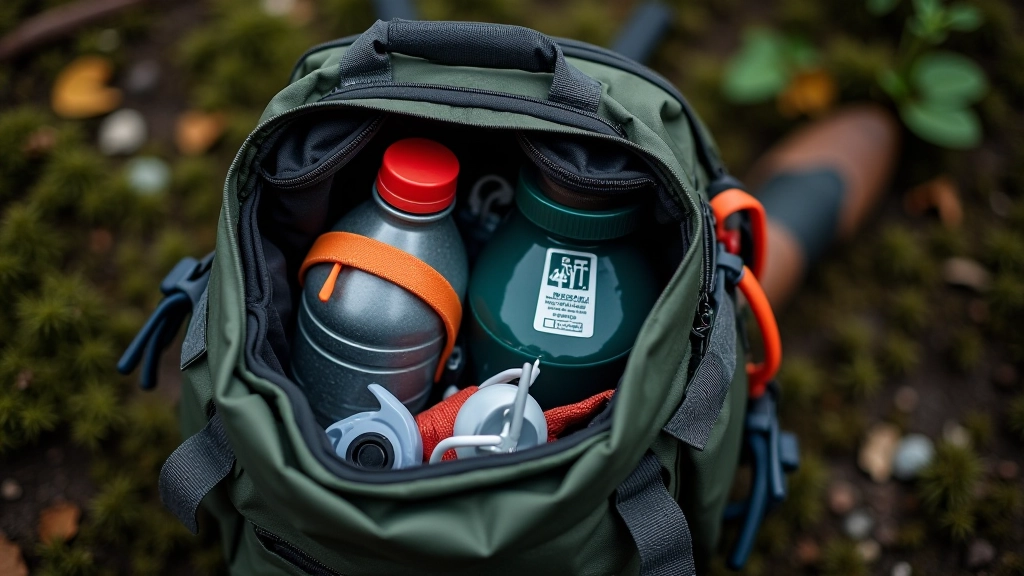
You'll want a 20-30 litre waterproof or water-resistant backpack. Small enough not to throw off your balance on uneven ground, big enough for what you actually need. Wet bogs mean you can't just rely on pockets.
Bogs aren't inherently dangerous if you're prepared. But they demand respect. Water depth changes. Ground firmness varies. Weather shifts quickly.
Phone ahead to local guides or park staff. Water levels, ground conditions, and weather change seasonally. Spring flooding isn't the same as summer dryness. You need to know what you're walking into.
At minimum, go with one other person. If someone gets stuck or injured, you need help. Bog environments isolate you quickly from outside assistance.
Bright orange, yellow, or red makes you visible across open bog landscape. It's easier for others to spot you if something goes wrong.
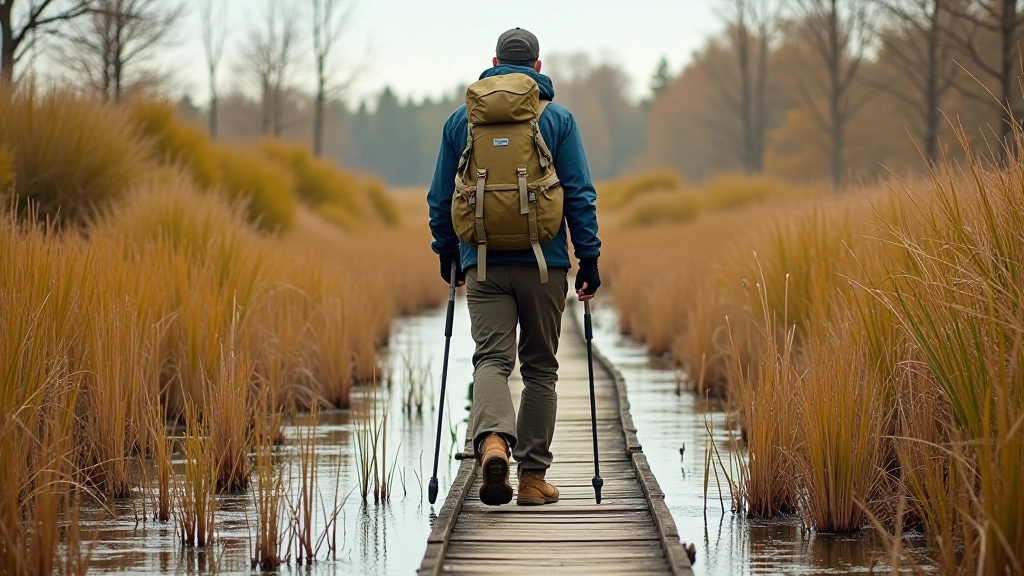
Don't rush. Probe ahead with your walking pole or foot before committing your weight. Solid-looking vegetation can hide deep water or mud.
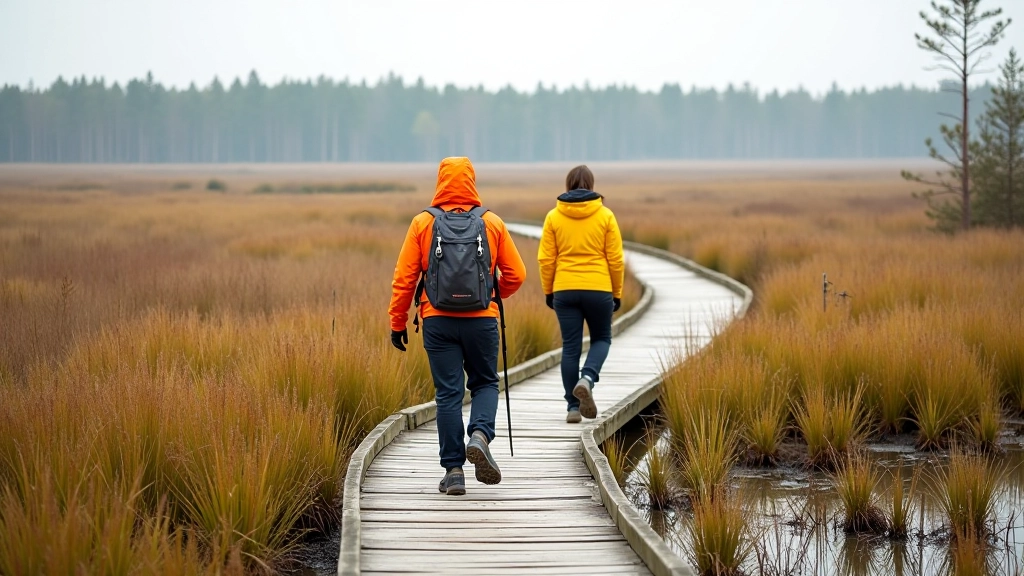
Choose activities that match your fitness level, check local conditions before travelling, and speak with your GP if you have health concerns before starting a new activity. Wetland environments present unique challenges — weather changes rapidly, terrain varies, and distances are deceptive. Always inform someone where you're going and when you expect to return.
The right gear isn't just about comfort — it's about confidence. When you're properly dressed, properly equipped, and you've done your homework on conditions, bog walking becomes genuinely enjoyable. You'll notice details you'd otherwise miss. You'll move more carefully and see more wildlife. You'll feel the landscape properly.
Start with the basics covered here. Learn from experience. Every walk teaches you something about what works for your body and your preferences. And don't rush. The best bog walks are the ones where you're paying attention — not scrambling because you're cold, wet, or unprepared.
Want to learn more about bog shoe selection and technique?
Read Our Bog Shoes GuideContinue exploring bog walking and wetland safety
Learn how to choose the right bog shoes, fit them properly, and take your first steps into the wetlands with confidence.
Read More
How conditions change month to month — from spring floods to autumn colours. What to expect and how to prepare.
Read More
Birds, insects, and mammals that call the wetlands home. Tips for spotting them and understanding what you're observing.
Read More