
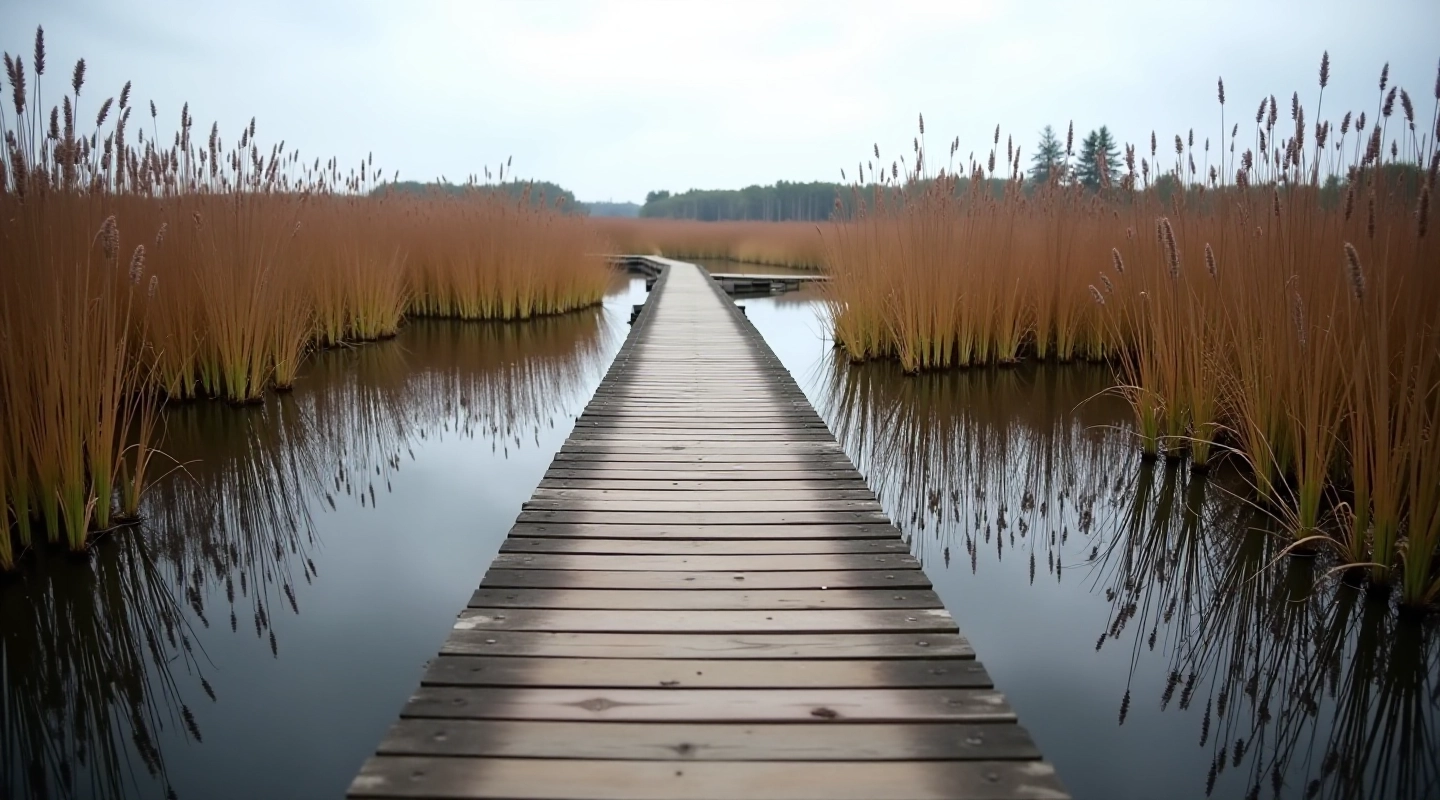
Getting Started With Bog Shoes: A Beginner's Guide
Learn how to choose the right bog shoes, fit them properly, and take your first steps into the wetlands with confidence.
Birds, insects, and mammals that call the wetlands home. Tips for spotting them safely without disturbing their habitats.

Editorial Team
Written by the veltrpine Editorial Team, focused on practical guidance for bog shoe walking and wildlife spotting in veltrpine National Park.
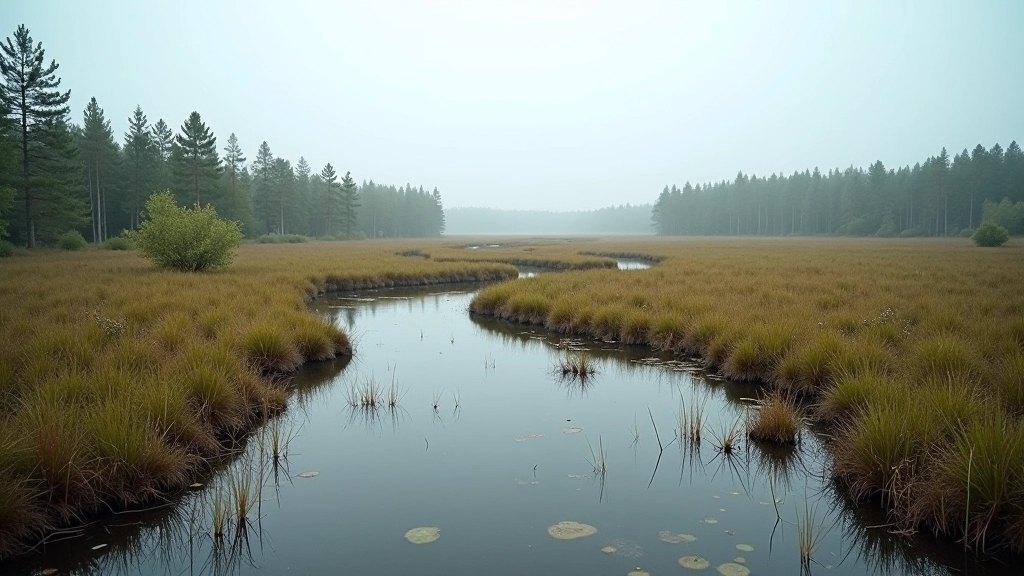
Bogs aren't empty wastelands. They're some of Europe's most biodiverse ecosystems. When you walk through veltrpine's wetlands, you're stepping into a living landscape where hundreds of species thrive in conditions most other places can't support.
The water, the sphagnum moss, the acidic soil — these things that seem harsh to us are actually perfect habitats for specialized wildlife. Cranes, otters, dragonflies, sundews, and rare birds all depend on these spaces. You don't need to be an expert to see them. You just need to know where to look and how to move quietly.
The best part? You'll see different animals depending on the season and time of day. Spring brings migrating birds. Summer's all about insects and nesting activity. Autumn means predators fattening up before winter. Each visit reveals something new.
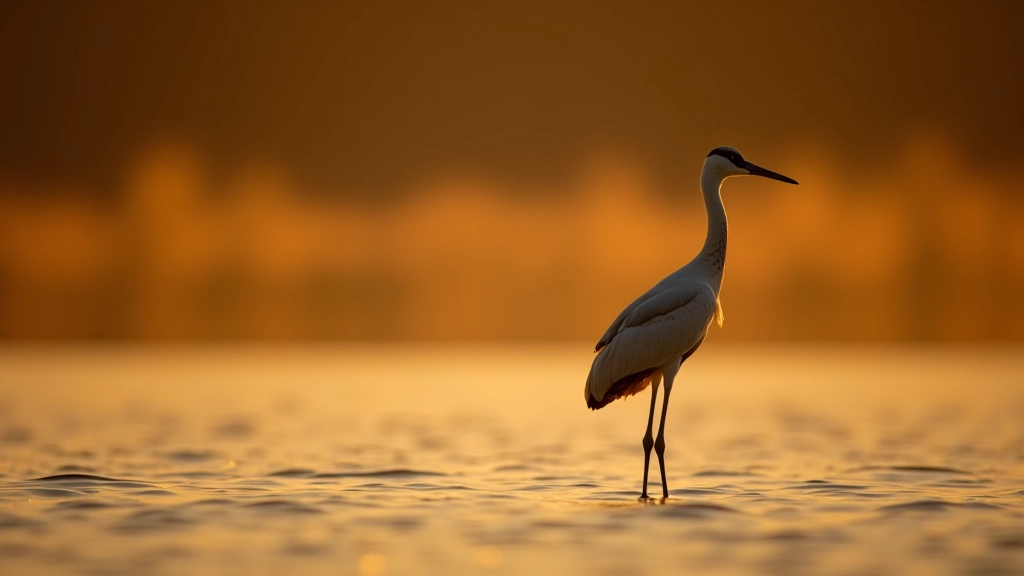
Cranes are the iconic bog bird. You'll spot them in spring and summer — tall, elegant, with that distinctive trumpeting call that carries across the wetlands. They're not aggressive if you keep your distance. Stay at least 50 meters away and move slowly. They'll usually move away before you get close anyway.
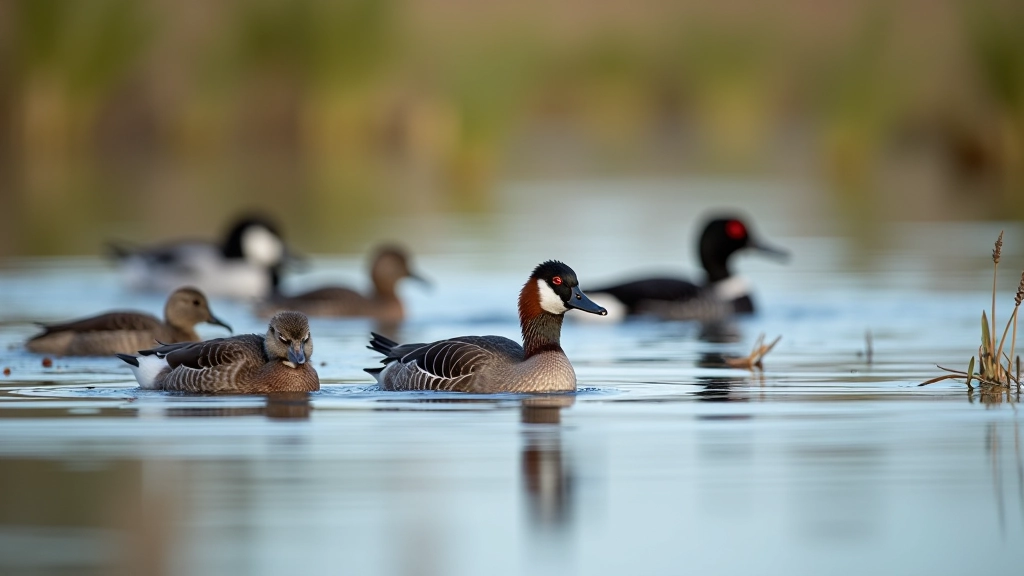
Then there's the grebe family. Great crested grebes are stunning to watch, especially during breeding season when they perform their synchronized dancing displays. You'll see them on the water, diving for fish. Smaller grebes are there too — red-necked and horned grebes — but they're harder to spot unless you're really patient.
Warblers, woodpeckers, buzzards, and owls all hunt in the bog margins. Early morning is your best bet. Bring binoculars. Don't wear bright colors. Move through the reeds slowly and pause often to listen. You'll hear them before you see them — that's normal and actually a good sign. It means the habitat's healthy.
Early morning (dawn to 9 AM) and late evening offer the best visibility. Spring migration (April–May) brings rare visitors. Summer is breeding season — birds are most active but also most territorial.
Here's the thing about bog insects — they're absolutely everywhere, and most people miss them entirely. Dragonflies are the show-stoppers. Broad-bodied chasers, black darters, emperor dragonflies. They're fast, colorful, and absolutely harmless. They'll hover right next to you if you stay still. Summer afternoons are peak dragonfly time.
Mosquitoes exist. Yes, they're annoying. Wear long sleeves and trousers, bring insect repellent, and they're manageable. The biting season is July through September. Spring and early summer are actually quieter for mosquitoes, so plan accordingly.
What you won't expect are the sundews — carnivorous plants that trap insects on their sticky leaves. They're small, easy to miss, but genuinely fascinating if you look down occasionally. Bogbean flowers are another gem. Sphagnum moss itself hosts thousands of microscopic creatures. Bogs operate at multiple scales — you can see drama at eye level and in the moss at your feet simultaneously.
Damselflies are the delicate cousins of dragonflies. Mayflies hatch in clouds during their season. Beetles, spiders, and countless others make the bog their home. You don't need to identify every species. Just stop, look, and notice the activity. It's genuinely remarkable.
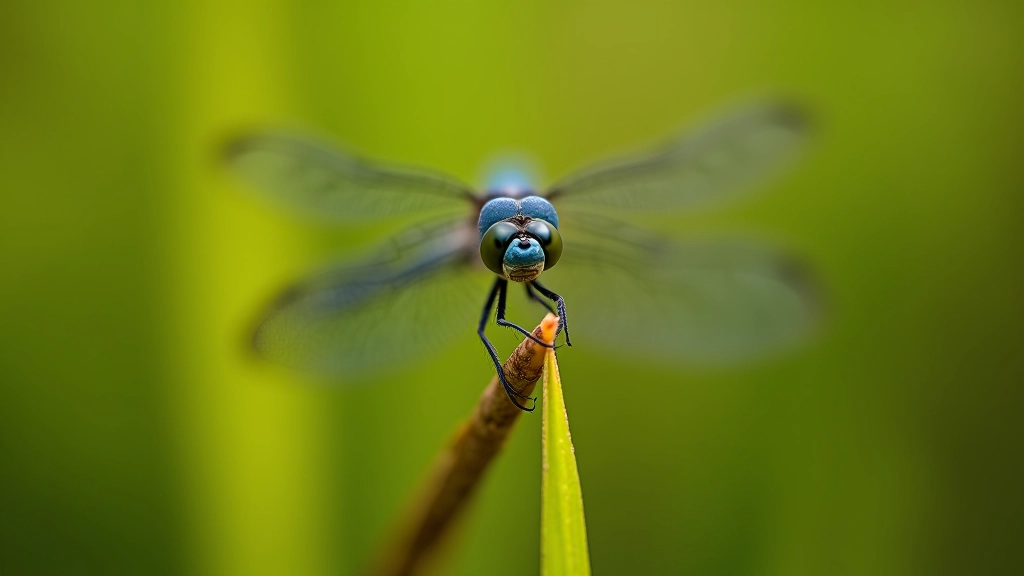
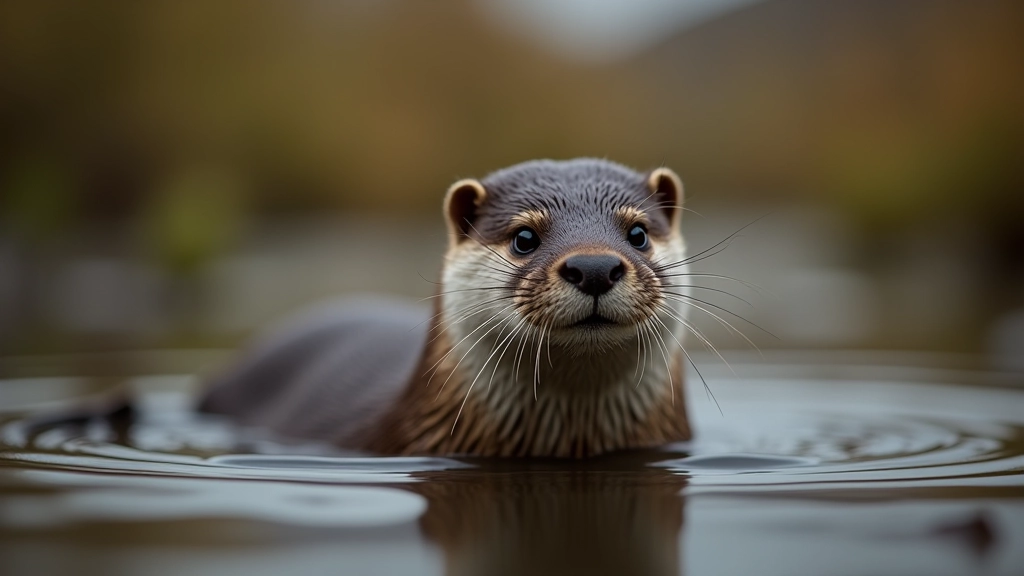
Otters live in the deeper bog channels and ditches. They're shy and active mainly at dusk and dawn. If you're lucky enough to spot one, count yourself among the fortunate few. They're not aggressive — they'll disappear into the water immediately. Look for their tracks and droppings on logs and banks. Fresh tracks mean they've been through recently.
Beavers have made a comeback in Veltrpine. You'll see their work before you see them — felled trees, dams, lodges. Beavers are nocturnal and extremely wary. If you're in a bog at night (not recommended for beginners), you might hear them slapping their tails as a warning signal.
Deer move through bog edges, especially moose in northern areas. Lynx and wolves exist but are genuinely rare. You won't stumble across them. Small mammals like shrews, voles, and hedgehogs are everywhere but hidden in the vegetation. You'll notice their runways through the grass more than you'll see the animals themselves.
Fast movements and noise startle animals. Walk at a deliberate pace. Stop frequently. Let the environment come to you rather than chasing it.
Bright colors like neon yellow or orange stand out. Greens, browns, and grays blend in. This matters more than most people realize.
Binoculars let you observe from distance. Find a comfortable spot, sit down, and watch for 15–20 minutes. Wildlife will come out if you're patient.
Early morning and late evening are when most animals are active. Midday is quieter. Adjust your walk timing to match the animals' schedule.
Legal protection requires minimum distances. For most large animals, 50 meters is the rule. For birds, respect nesting areas completely. Your distance is their safety.
Trails exist to protect both you and wildlife habitats. Straying off-path damages fragile moss and nesting sites. Stick to the designated routes.
Choose bog walking activities that match your fitness level. Check local conditions and weather forecasts before traveling — bog terrain changes seasonally. If you have any health concerns before starting a new activity, speak with your GP first. Wildlife is unpredictable. Respect legal protection zones and minimum distances. Your safety and the animals' wellbeing depend on responsible behavior in their habitat.
Bog walking isn't just physical exercise. It's a chance to connect with one of Europe's most unique ecosystems. You're not just passing through — you're witnessing specialized wildlife in their actual habitat, doing what they've evolved to do over thousands of years.
Start with birds. They're visible, relatively easy to spot, and genuinely beautiful. Bring binoculars. Wear comfortable bog shoes with good grip. Give yourself time. The animals won't come on your schedule — you'll have to adapt to theirs. That's part of what makes it rewarding.
Every walk reveals something. Even if you don't see anything dramatic, you'll notice the ecosystem in action — the hum of insects, the call of birds, the movement in the water. That's the real bog experience. It's quiet, it's peaceful, and it's genuinely fascinating if you pay attention.
Learn how to choose the right bog shoes, fit them properly, and take your first steps into the wetlands with confidence.
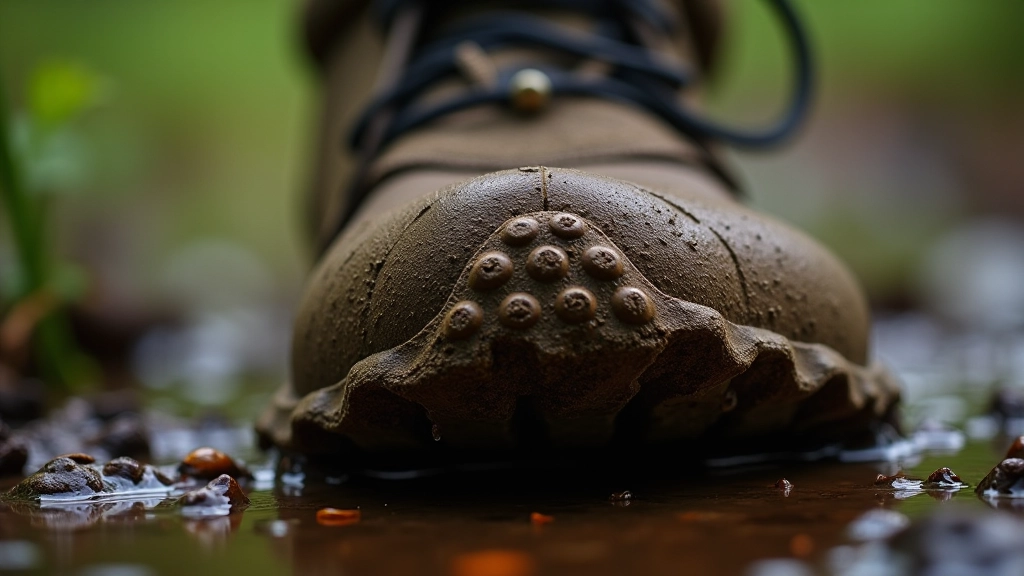
How conditions change month to month — from spring floods to autumn colors. What to expect and how to prepare.
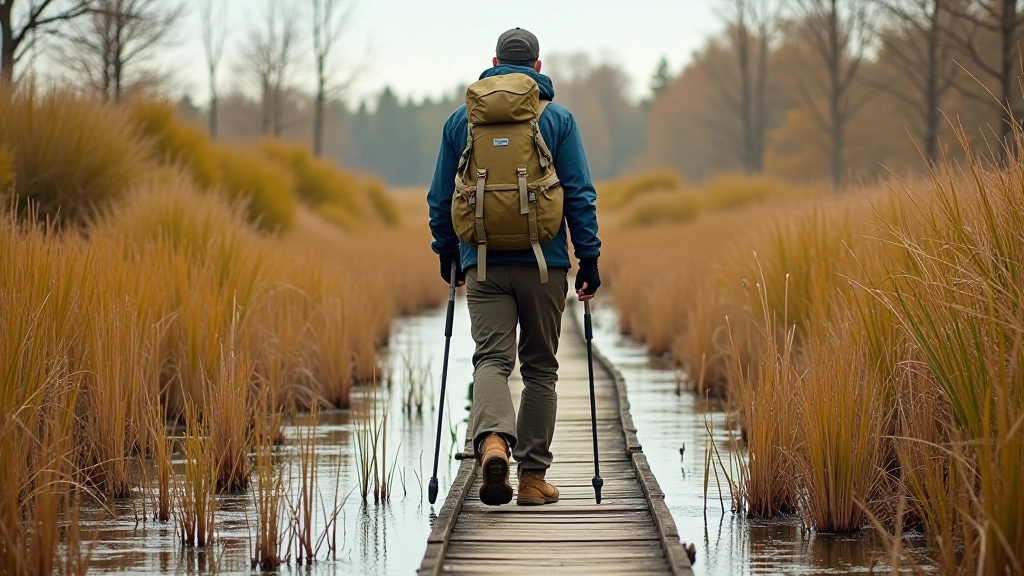
Beyond bog shoes — what to bring, what to wear, and how to stay safe in wetland environments.